
Fibre Broadband: FTTC vs FTTP Explained
There are two types of fibre broadband in the UK, and they are very different. Here is how to tell them apart, which one is available at your address, and whether it is worth upgrading.
Most UK broadband is sold as “fibre” but there are two distinct technologies. Superfast FTTC runs fibre to your street cabinet, then copper the rest of the way. Full fibre FTTP runs fibre all the way into your home, which is why it is faster, more reliable and much better for uploads.
Full fibre coverage has passed 70% of UK premises and is expanding rapidly under the government's Project Gigabit programme. Prices have also dropped — full fibre deals now often cost only a few pounds more per month than superfast.
Bottom line
If full fibre is available at your address, it is worth getting.
The price gap between superfast and full fibre has narrowed to the point where the upgrade often costs less than the price of a coffee each month. The reliability and upload speed improvements are real, especially if you work from home or have multiple people streaming at once. Check your postcode to see whether full fibre has reached your street yet.
Superfast vs full fibre at a glance
Typical UK figures for 2026. Your speeds will vary by address and provider.
| Superfast (FTTC) | Full Fibre (FTTP) | |
|---|---|---|
| Typical download | 35-80 Mbps | 100 Mbps - 1 Gbps |
| Typical upload | 10-20 Mbps | 50-500 Mbps |
| How fibre is used | To your street cabinet | Into your home |
| Final connection | Copper to your door | Fibre to your door |
| Reliability | Good | Excellent |
| UK coverage | 97% | 70%+ |
| Typical monthly cost | £25-35 | £28-45 |
Understand
Know what type of fibre you are looking at
Most broadband is marketed as fibre, but FTTC and FTTP are fundamentally different. These guides explain exactly what each one is, how to tell them apart on a deal listing, and why the distinction matters.
 Guide
GuideFull fibre (FTTP) explained
Full fibre to the premises is the gold standard of UK broadband. Here is how it differs from standard fibre, why it is faster and more reliable, and how to check whether it has reached your street yet.
Read guide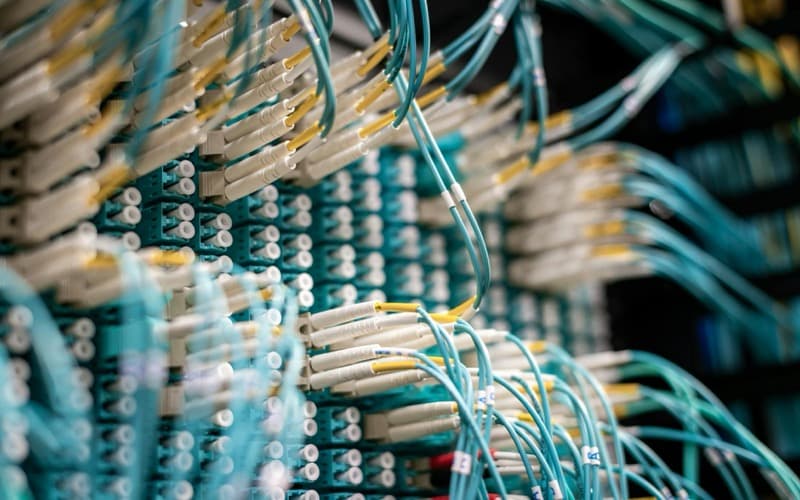 Guide
GuideFibre vs ADSL: what is the difference?
Standard copper ADSL and fibre broadband are very different technologies. We explain how each works, what typical speeds look like, and who each is best suited to.
Read guide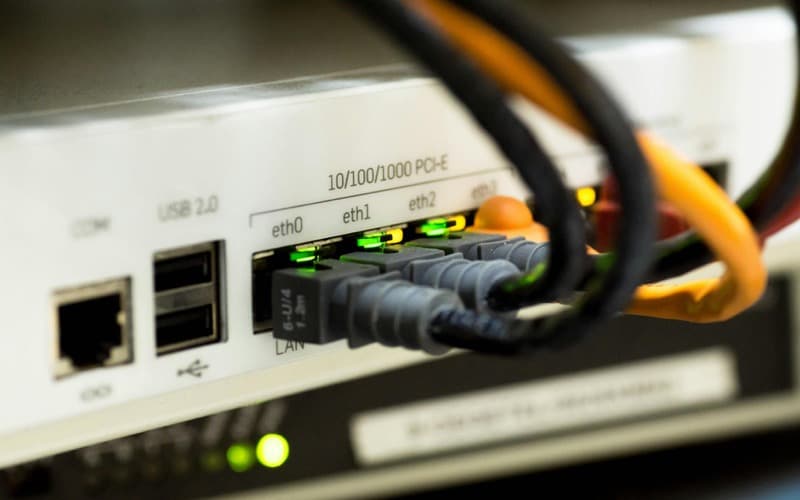
Broadband speeds explained
What Mbps and Gbps actually mean in practice

What speed do you actually need?
How to match a speed to your household size

Broadband without a phone line
Full fibre does not need a landline at all

The BT PSTN switch-off explained
Why the copper retirement is accelerating the move to FTTP
Plan
Work out whether full fibre is worth it for you
For most households, superfast is perfectly adequate. Full fibre becomes noticeably better if you work from home, have four or more people online at once, or do a lot of video calling and large file uploads.
 Guide
GuideBest broadband for working from home
Full fibre makes a real difference for remote workers. Better upload speeds, lower latency and a more stable connection all add up over a working day. Here is what to look for.
Read guide Guide
GuideUnderstanding fibre broadband contracts
Full fibre deals often come with 24-month contracts. Before you sign up, make sure you understand the early exit terms, the mid-contract price rise clauses, and what happens at the end of the deal.
Read guide

Check
See which providers offer fibre at your address
Full fibre coverage varies street by street. Not every provider serves every address. Enter your postcode to see exactly what is available and which providers are competing for your custom.
Check full fibre availability at your address
Switch
Get fibre installed without the hassle
Switching to a full fibre provider is straightforward with One Touch Switching. Your new provider handles the changeover. If you are moving from copper to fibre for the first time, an engineer visit is usually needed — your provider will arrange it.
 Guide
GuideHow to switch to fibre broadband
Switching to fibre, including full fibre, now uses the One Touch Switching process. Your new provider organises the changeover. We walk through exactly what to expect and how long it takes.
Read guide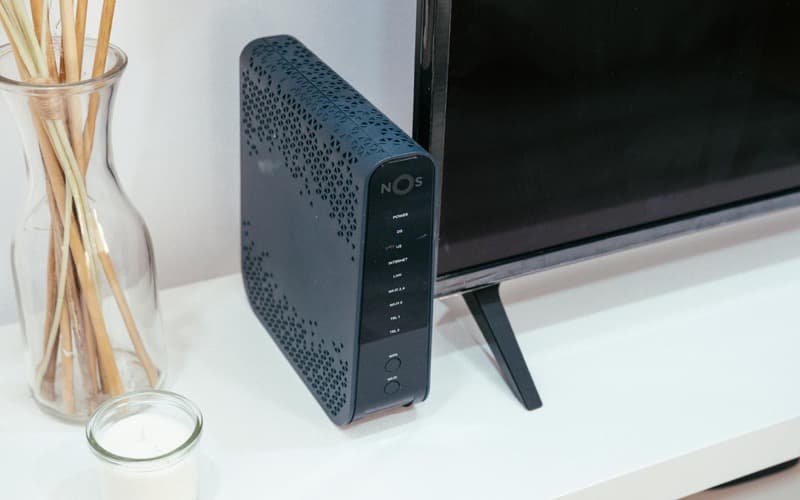 Guide
GuideGetting the most from your fibre connection
A full fibre connection is only as good as the Wi-Fi in your home. Router placement, interference and mesh networks all affect the speeds you actually see on your devices.
Read guide

Check your postcode
Is full fibre available at your address?
Coverage varies street by street. Enter your postcode to see whether full fibre has reached you yet.