
The short answer: mobile broadband uses 4G or 5G to deliver internet to a dedicated router in your home. No phone line or engineer visit needed. You plug in the router and it connects to the mobile network. It is a genuine fixed-line alternative for rural areas, renters and anyone without a phone line, and 5G home broadband now delivers speeds that rival FTTC in good coverage areas.
How does it work?
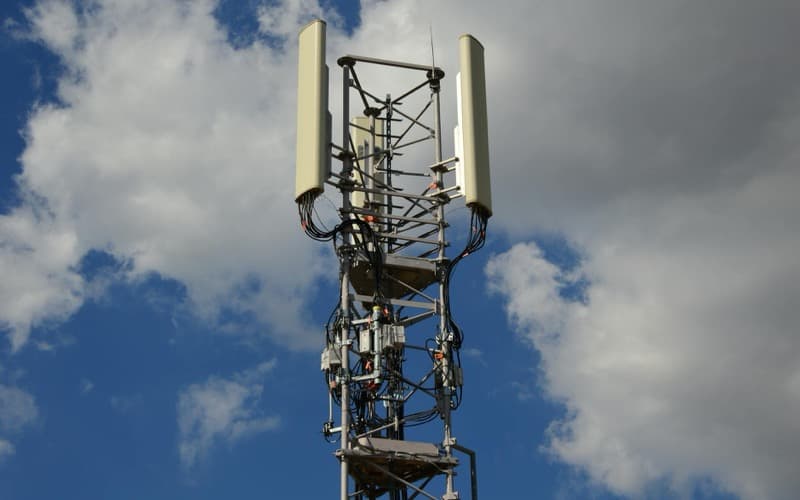
Mobile broadband uses the same 4G and 5G networks your mobile phone connects to. Instead of going to your phone, the signal goes to a dedicated home router (sometimes called a Home Broadband device or Fixed Wireless Access router). This router broadcasts Wi-Fi throughout your home, just like a standard broadband router.
The key difference from a mobile data SIM on your phone is that home broadband SIMs typically offer unlimited data and are designed to be used in one location, not while travelling.
4G vs 5G home broadband
| 4G home broadband | 5G home broadband | |
|---|---|---|
| Typical download speed | 30–100 Mbps | 100–300 Mbps (up to 1 Gbps in strong coverage) |
| Typical upload speed | 10–30 Mbps | 20–100 Mbps |
| Latency | 20–50ms | 10–30ms |
| Coverage | Wide (most of UK) | Mainly urban and suburban |
| Typical monthly cost | £20–30 | £25–35 |
Who is it best for?
Rural areas with poor fixed-line coverage
If you are on ADSL below 10 Mbps, or in an area where FTTC has not yet been built, 4G home broadband often provides a significantly better connection. Mobile coverage in rural areas can be strong even where the fixed-line infrastructure is old and slow. Check 4G coverage for the main providers (EE, Three, Vodafone, O2) at your address before ordering.
Renters and people without a phone line
Mobile broadband requires no installation. You plug in the router on day one. There is no need to arrange a new phone line or wait for an engineer. This makes it ideal for renters moving frequently or anyone in a property without an existing broadband connection.
Backup connection
Many households with FTTC or FTTP also keep a 4G router as a backup for when the fixed line goes down. Some modern routers have a SIM slot built in for exactly this purpose.
Short-term or flexible contracts
Most fixed-line broadband requires an 18 or 24-month contract. Several 4G and 5G home broadband providers offer monthly rolling contracts, which suits people who move regularly or want flexibility.
Limitations to be aware of
Speed depends on signal strength and network load
Unlike full fibre, where your speed is consistent, mobile broadband speeds vary with signal strength, distance from the mast, and how many people in your area are using the network at the same time. Evening speeds can be noticeably lower during peak hours in busy areas.
Outdoor unit may be needed in weak signal areas
In areas with marginal signal, some providers offer or require an external antenna mounted on your roof or wall. This improves signal but requires installation.
Not suitable for all uses
If you are a competitive gamer who needs consistently low latency (under 15ms), 4G broadband may not be ideal. 5G can achieve latency comparable to FTTC but is more variable. For most users, this is not a real-world problem.
Main providers
UK providers currently offering 4G and 5G home broadband include:
- EE: 4G and 5G, strong rural coverage on 4G
- Three: good 5G coverage in urban areas, aggressive pricing
- Vodafone: 5G in most major cities and towns
- O2 / Virgin Media: 5G home broadband in selected areas
- Starlink: satellite broadband, not mobile, but a useful rural alternative
What you do not need
You do not need to sign a long-term contract for mobile broadband. Several providers offer 30-day rolling contracts. Compare the monthly cost against the savings from avoiding a 24-month fixed deal.
You do not need to be in a rural area to benefit from 5G home broadband. In cities with strong 5G coverage, it competes directly with FTTC on speed and reliability, often at a lower price.
Frequently asked questions
Is mobile broadband as reliable as fixed-line?
It is generally less consistent than a wired FTTP connection because it depends on radio signal, which varies. In good coverage areas with 5G, reliability is comparable to FTTC. In marginal coverage areas, you may notice more variation in speed.
Can I use mobile broadband with a mesh Wi-Fi system?
Yes. Plug your 4G/5G router into the mesh system's primary node via ethernet (or use it as the internet source) and the mesh system distributes Wi-Fi as normal.
Will my usage be throttled or capped?
Most home broadband SIMs are unlimited data with no hard cap. Some have a "fair use policy" that may reduce speeds above a threshold (typically 1 TB/month). Check the terms before ordering if you are a very heavy user.
How does satellite broadband differ from mobile broadband?
Satellite broadband (such as Starlink) sends data to orbiting satellites rather than ground-based masts. It has higher latency than mobile broadband (typically 20–80ms for low earth orbit satellites like Starlink) but can reach extremely remote areas with no mobile coverage. It requires a dish installation.